تخطي الى المحتوى
مرحبا بك في مركز الخدمات الالكترونية
جميع المنتجات
حساسات و موديل
لوحات البرمجة
بطاريات
BMS لوحات
مجسمات
الدوائر المتكاملة
الدوائر المتكاملة
A series
B/BA/BC/BT/BTA
C/CA
D/DK/DS
HY/HT
K/KA
LM
LA/LB
LNK
MOSFET/IGBT
MR/MJ
NE
R
RJP
S
SLA
ST/STR/STK
SG/UC
STV
PAL
TA/TB/TDA
TIP/TOP/TNY/TL
ULN/UA
Voltage Regulators
Viper
YD
2N
74 Series Logic Gates
12C/24C Series
27C/28C Series
93C Series
غير مصنف
ديودات
أجهزة القياس
ماكينات لحام
مكبرات
معجون تبريد
بزر
PlayStation/Xbox Repair Parts
PlayStation/Xbox Repair Parts
PlayStation
Xbox
قصدير/فلكس
لوحات تركيب/أسلاك
مراوح
مقاومات
مكثفات
مكثفات حماية
كماشات
كريستال
محولات
مداخل HD
خيوط
فيشات
سبينة مسجلات
سبيكر
7 Segment
فيوز
مفاتيح
صيانة شاشات و ملحقاته
ريلي
ريموت
Log in
اللغة
English
English
العربية
Facebook
TikTok
بحث
اللغة
English
English
العربية
بحث
Log in
سلة المشتريات
تم اضافة المنتج الى السلة
مشاهدة السلة
Check out
متابعة التسوق
مركز الخدمات الالكترونية
الأكثر مبيعًا
74HC645
6.500 دينار
{price}% تخفيض
نفذت الكمية
Default Title
Quantity
أضف إلى السلة
The 74HC645 is an octal bidirectional bus transceiver engineered for high-speed, low-power asynchronous communication between parallel data buses. Its eight-bit wide data path supports efficient parallel transfers,...
مزيد من التفاصيل
The 74HC645 is an octal bidirectional bus transceiver engineered for high-speed, low-power asynchronous communication between parallel data buses. Its eight-bit wide data path supports efficient parallel transfers, while the device’s architecture minimizes propagation delay and power consumption, making it well suited for buffering and bus-interfacing roles in digital systems. 8-bit wide data transfer capability for efficient parallel communication across buses. High-speed operation up to 25 MHz to support timing-critical data throughput. Low power consumption that reduces thermal load and supports energy-conscious designs. Schmitt-trigger inputs that enhance noise immunity and ensure stable signal thresholds. Tri-state outputs that permit multiple devices to share a common bus without contention. Compared with earlier transceiver designs, the 74HC645 pairs improved switching speed with reduced power draw, aligning with modern digital design priorities. The integrated bidirectional control simplifies management of data flow by enabling clear selection of transmit and receive directions with minimal latency. Tri-state output capability allows system designers to expand bus topologies and add multiple transceivers on the same lines while avoiding bus conflicts. In practice, the 74HC645 is appropriate for applications requiring reliable parallel data transfer, bus buffering, or interface isolation where noise immunity, predictable timing, and modest power budgets are important. Its combination of Schmitt-trigger inputs, tri-state outputs, and balanced CMOS performance makes it a dependable choice for demanding bus environments and scalable system designs.
عرض أقل
منتجات متوافقة
أضف الى السلة
أضف الى السلة
Korean Solder 100g قصدير كوري أصلي
35.000
نفذ
Portable Gas Soldering Iron كاوية غاز
55.000
أضف الى السلة
قد يعجبك أيضاً
Sold out
Sale
74HC08
3.500 دينار
Add to cart
Sold out
Sale
74HC32 OR Gate
3.500 دينار
Add to cart
Sold out
Sale
74HC04
3.500 دينار
Add to cart
Sold out
Sale
LM35DZ Analog Temperature Sensor Original حساس حرارة أصلي
6.000 دينار
Add to cart
Sold out
Sale
74HC00
3.500 دينار
Add to cart
Sold out
Sale
74HC86
4.500 دينار
Add to cart
sold
sale
Add to cart
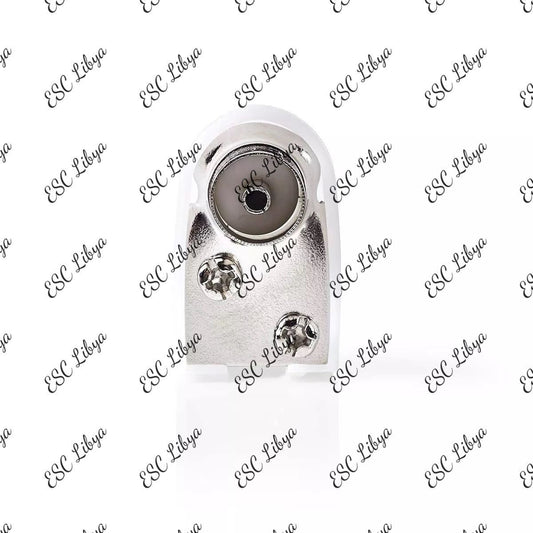
(Coax) Female Re-Wireable Connector Angled
2.000 دينار
sold
sale
Add to cart
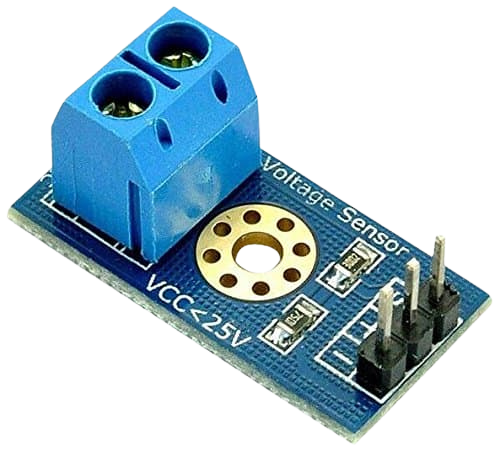
0-25V DC Voltage sensor حساس جهد
6.000 دينار
sold
sale
Add to cart
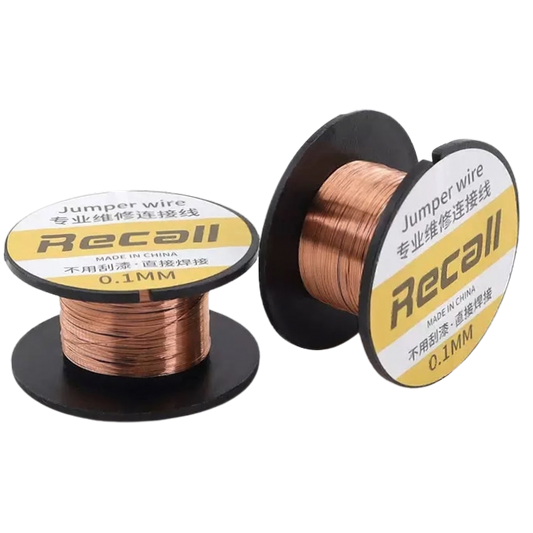
0.1mm Jumper Wire Copper Soldering Wire خيط توصيل
8.000 دينار
sold
sale
Sold out
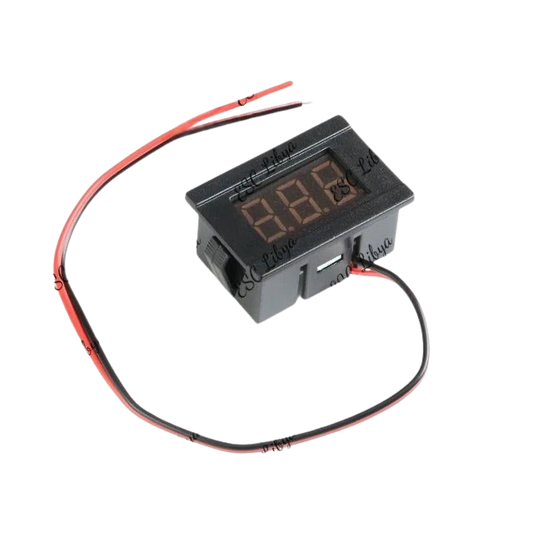
0.36 Inch Mini Voltmeter 3.5V~30V Dc شاشة قياس جهد
10.000 دينار
sold
sale
Add to cart
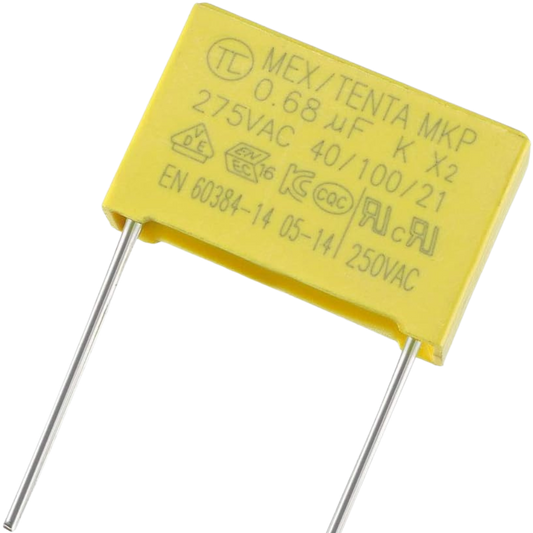
0.68UF 680NF 275VAC Capacitor
2.000 دينار
sold
sale
Add to cart
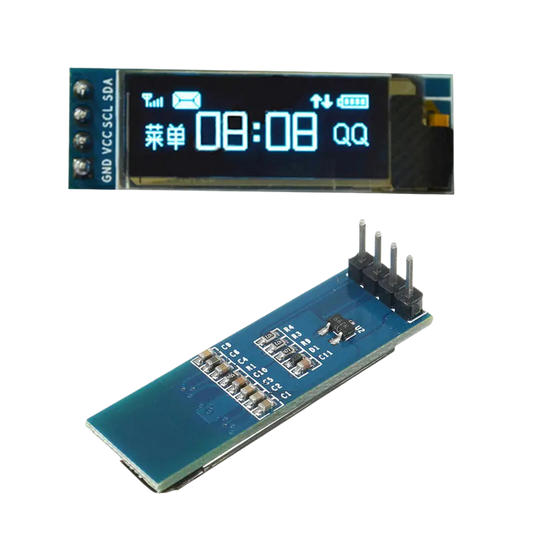
0.91 Inch Oled Display
18.000 دينار
Choosing a selection results in a full page refresh.
Opens in a new window.
Recently Viewed